
Learn how to tell fresh seafood from frozen seafood with expert tips on appearance, smell, texture, and packaging. Make smarter seafood-buying decisions.
1. Why It Is Important to Know the Difference Between Fresh and Frozen Seafood
Seafood is a valuable source of protein, vitamins, and minerals. However, many consumers find it difficult to distinguish fresh seafood from frozen seafood. Understanding the differences can help you choose high-quality products, avoid misleading marketing, and get the best value for your money.
1.1 Benefits of Identifying Fresh Seafood Correctly
Knowing how to identify fresh seafood offers several advantages:
1.1.1 Better Flavor and Texture
Fresh seafood generally provides a firmer texture and a more natural taste, making it ideal for a variety of dishes.
1.1.2 Improved Food Safety
Recognizing signs of freshness helps reduce the risk of purchasing seafood that has been improperly stored or handled.
1.2 Understanding Frozen Seafood
Frozen seafood is not necessarily inferior to fresh seafood. Modern freezing techniques can preserve quality, nutrients, and taste when products are processed correctly.
2. How to Tell Fresh Seafood from Frozen Seafood
There are several practical ways to determine whether seafood is fresh or has been frozen.
2.1 Examine the Appearance
Visual inspection is often the first step when evaluating seafood quality.
Fresh seafood display at market with fish, shrimp, and shellfish on ice

Fresh seafood usually has bright and natural colors, clear shiny eyes, glossy skin, and firm moist flesh.
Frozen seafood packaging with visible ice crystals and freezer storage
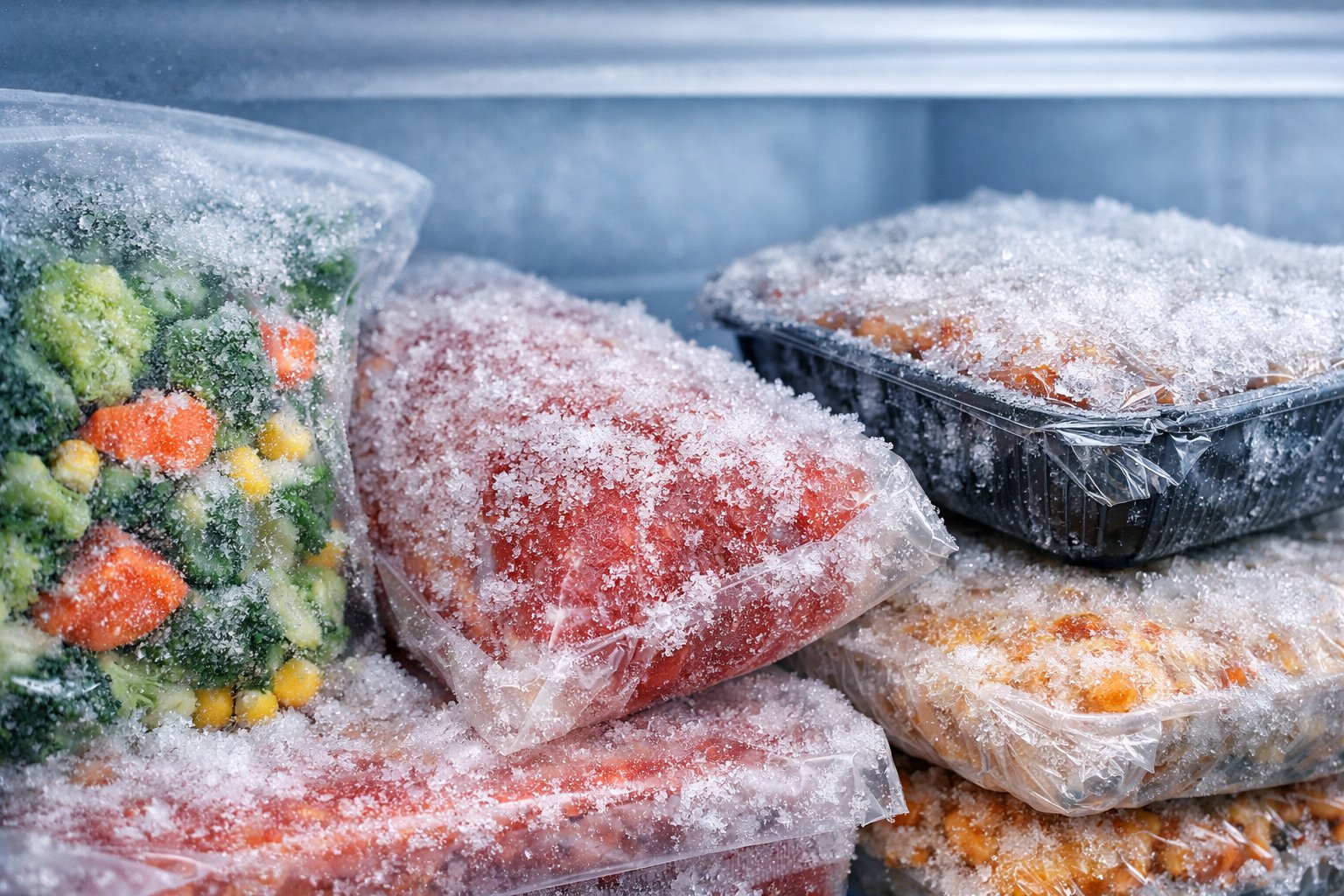
Frozen seafood may show ice crystals, frost buildup, slight discoloration, and excess moisture after thawing.
2.2 Check the Smell
Fresh seafood has a mild ocean scent, while frozen seafood may have a stronger odor after thawing.
2.3 Evaluate the Texture
Close-up of fresh fish eyes showing clarity and freshness indicators

Fresh seafood feels firm and elastic, while frozen seafood may become softer or mushy after thawing.
3. How Packaging Can Reveal Seafood Quality
Packaging provides important information about seafood quality and storage conditions.
3.1 Signs of Properly Frozen Seafood
Well-frozen seafood should have secure packaging and minimal ice buildup.
3.2 Warning Signs to Watch For
Damaged packaging or heavy freezer burn may indicate poor quality seafood.
4. Common Mistakes When Buying Seafood
Many consumers assume fresh is always better, but frozen seafood can also be high quality if properly handled.
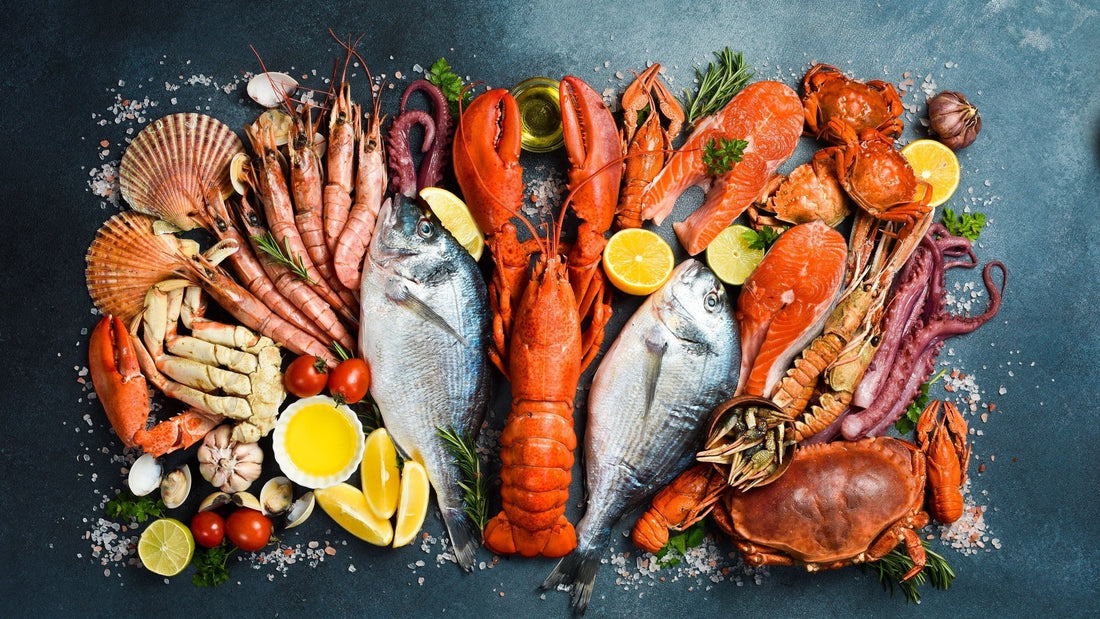
Seafood quality comparison showing fresh vs frozen fish texture difference
4.1 Believing Fresh Is Always Better
Properly frozen seafood may sometimes be fresher than seafood left on display for several days.
4.2 Ignoring Sensory Indicators
Always check smell, texture, and appearance together.
4.3 Not Checking Labels
Always review production dates and storage instructions before purchasing.
Knowing how to tell fresh seafood from frozen seafood helps consumers make better purchasing decisions. By evaluating appearance, smell, texture, and packaging, buyers can choose higher-quality seafood with confidence.
CONTACT:
Cơ sở 1 – Mộc Seafood Đà Nẵng
- 26 Tô Hiến Thành, Sơn Trà, Đà Nẵng
- Hotline: 0964 531 153 – 0905 665 058
- Fanpage: Hải sản Mộc quán Đà Nẵng
Cơ sở 2 – Mộc Seafood Nha Trang
- 74–76 Hồng Bàng, Tân Lập, Nha Trang
- Hotline: 0934 981 180
- Fanpage: Hải sản Mộc quán Nha Trang